Historical Museum in Lubin
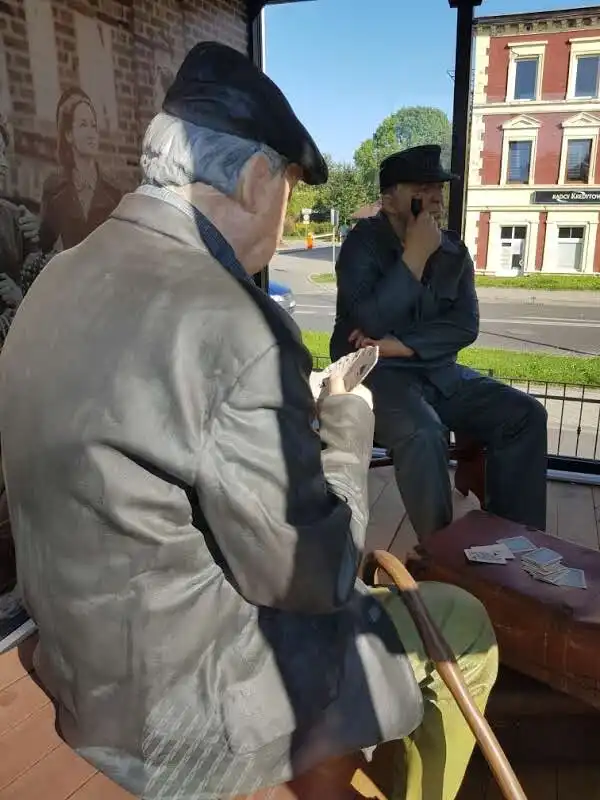
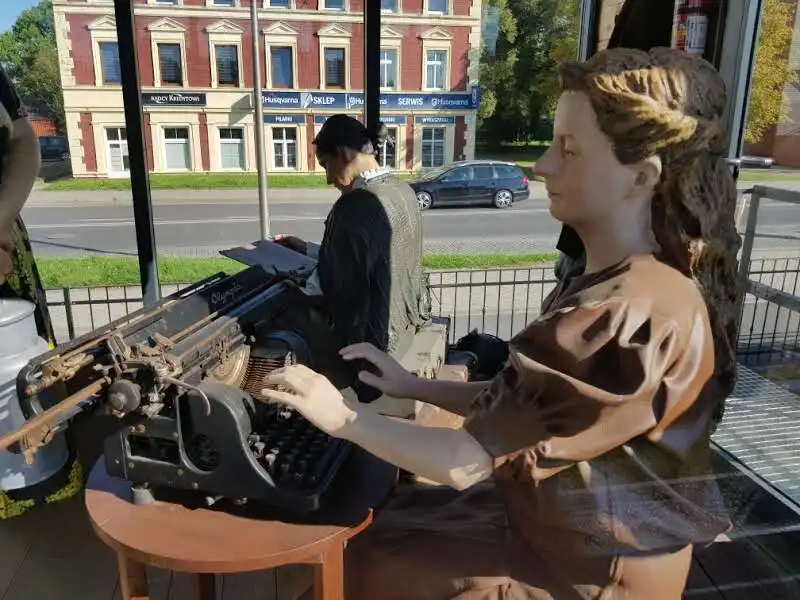
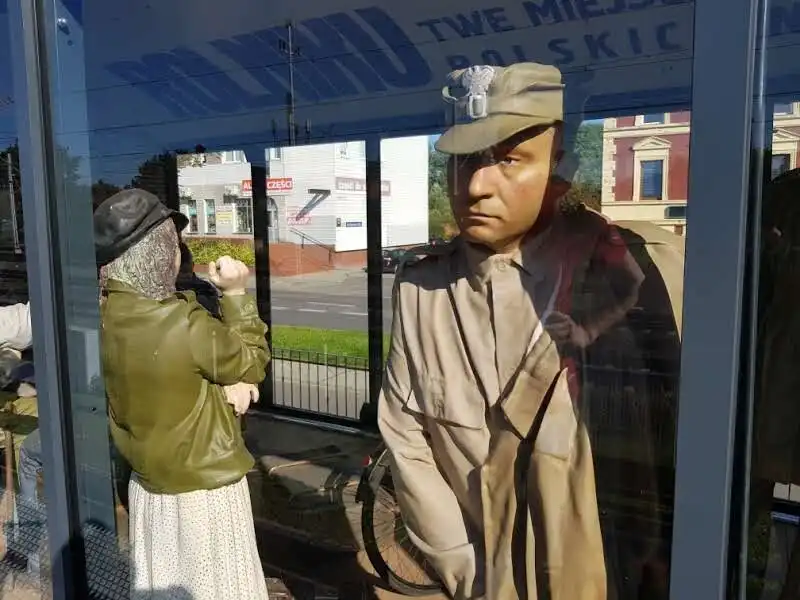
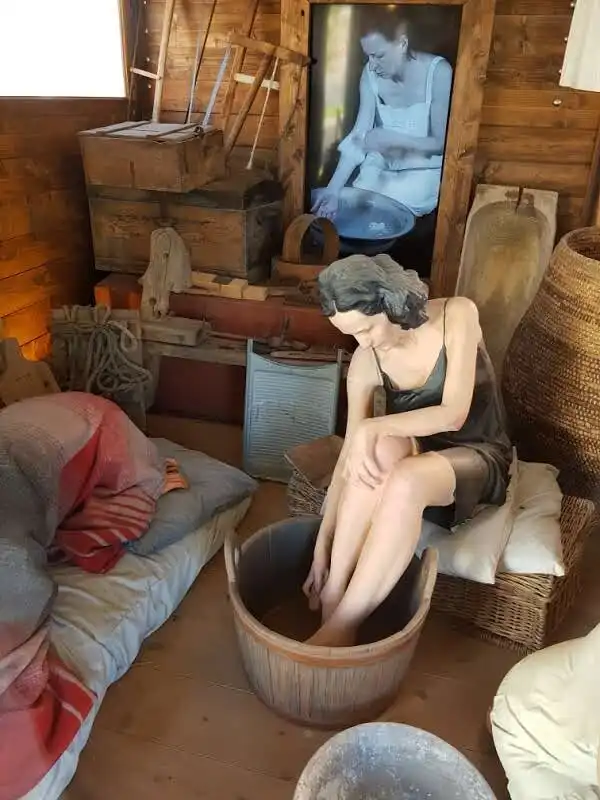
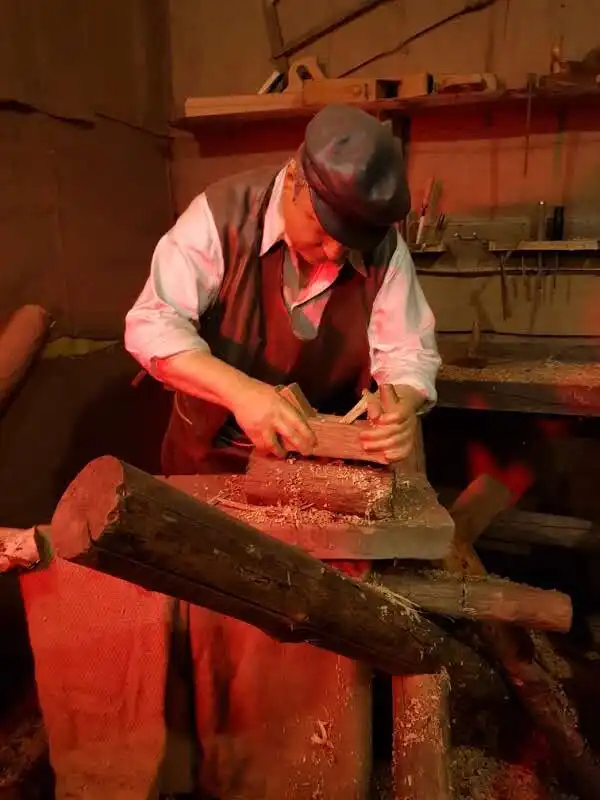
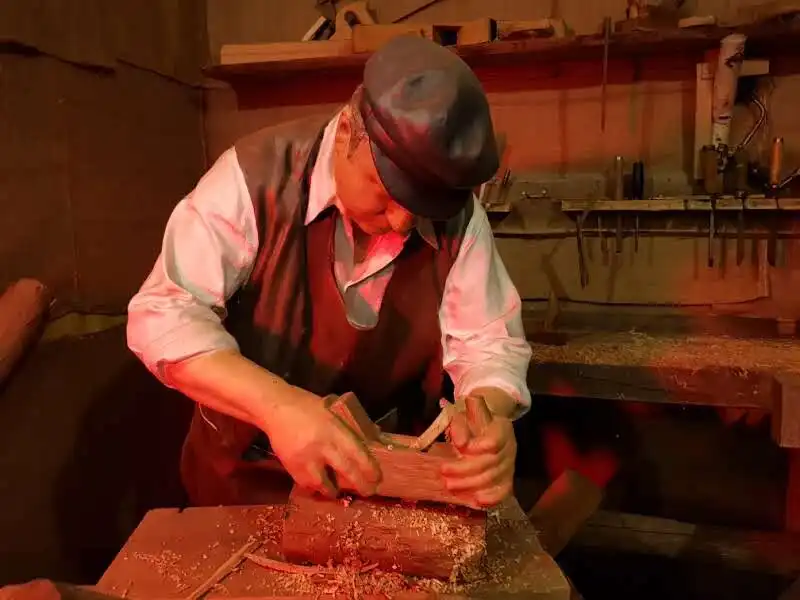
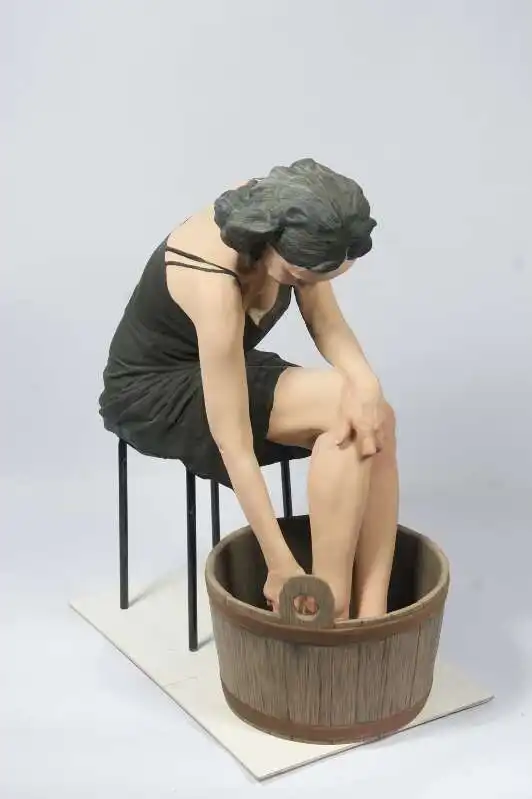
3D-printed and hand-painted exhibition figures for the Historical Museum in Lubin
Figures
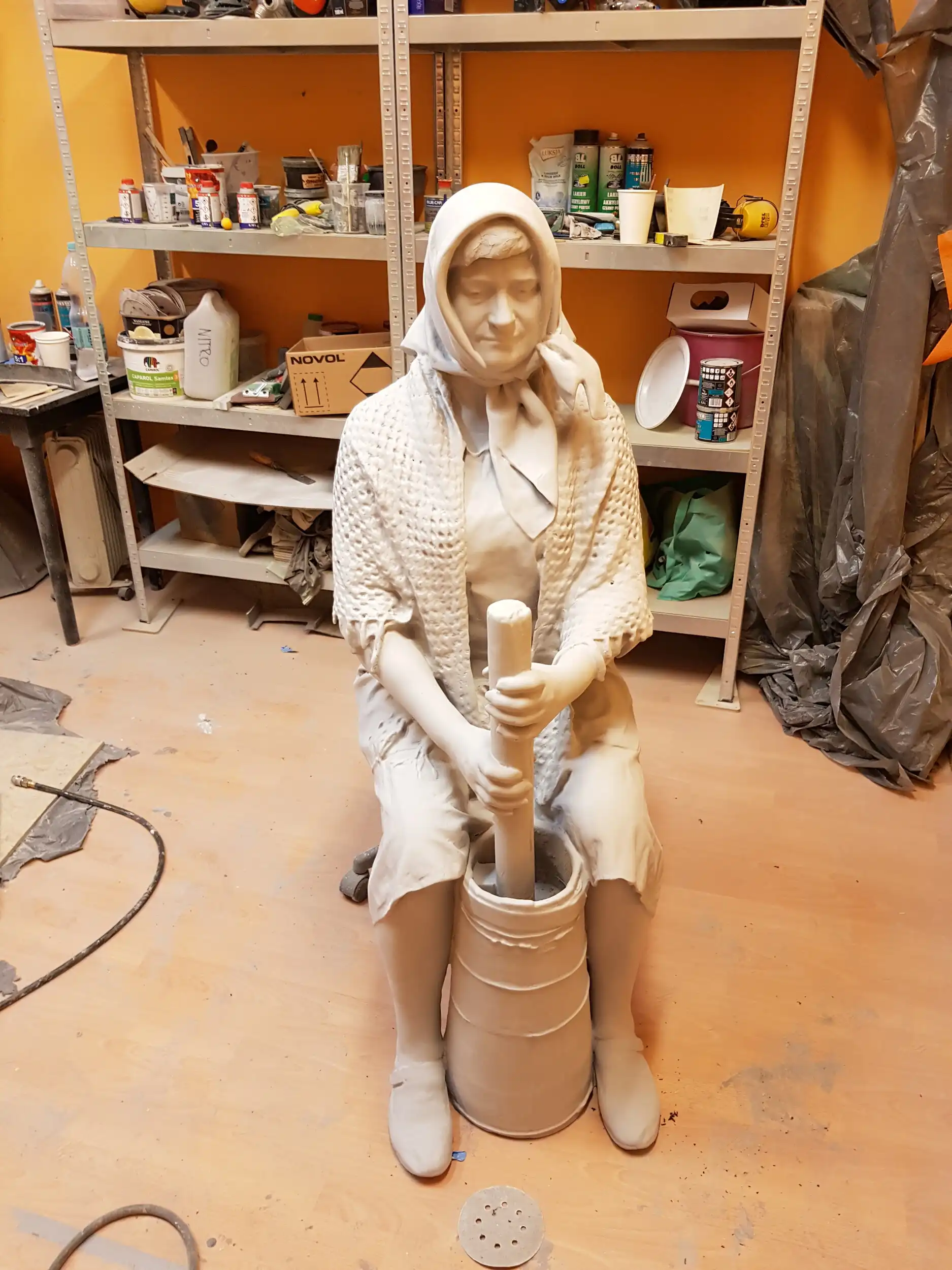
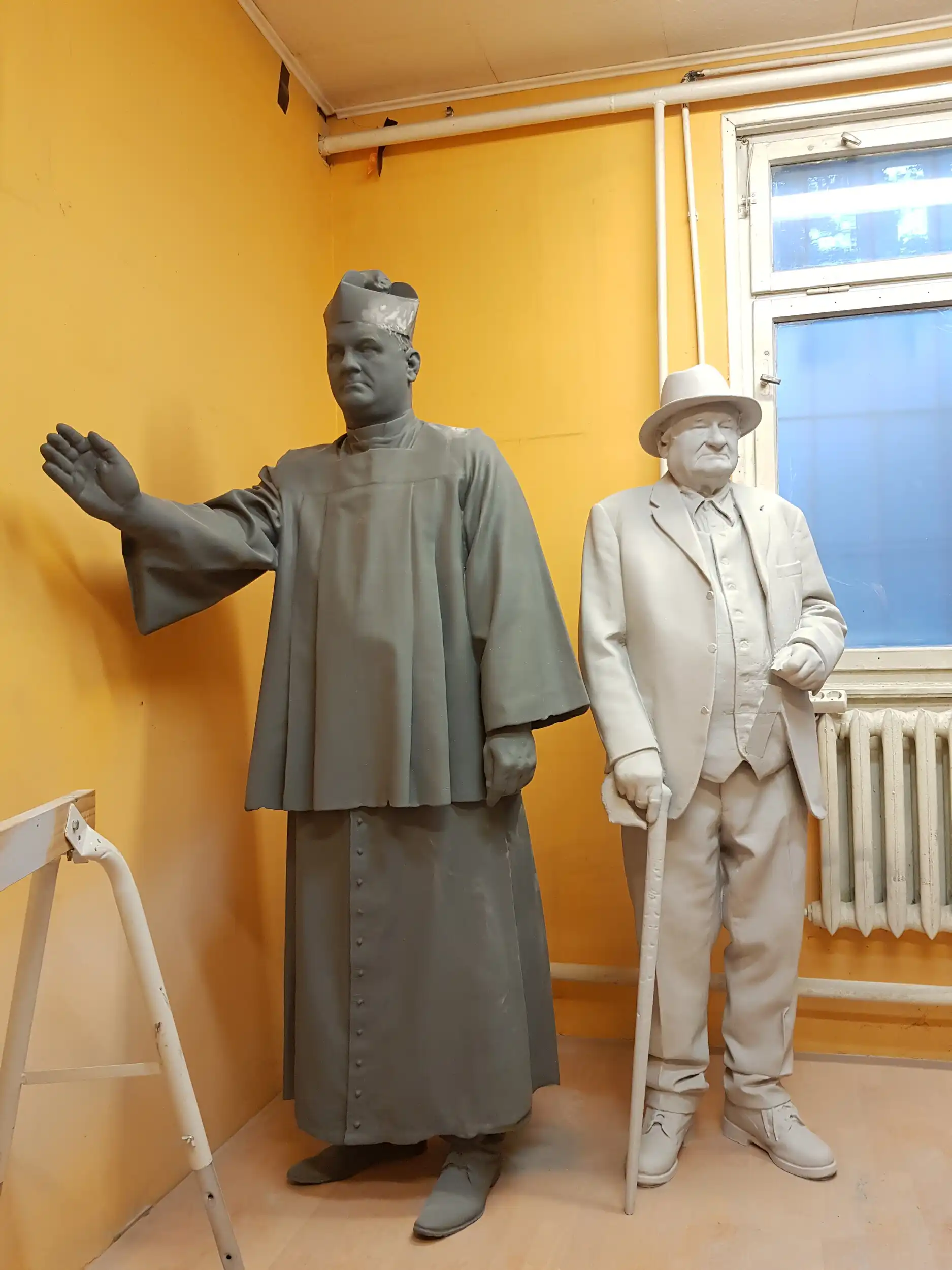
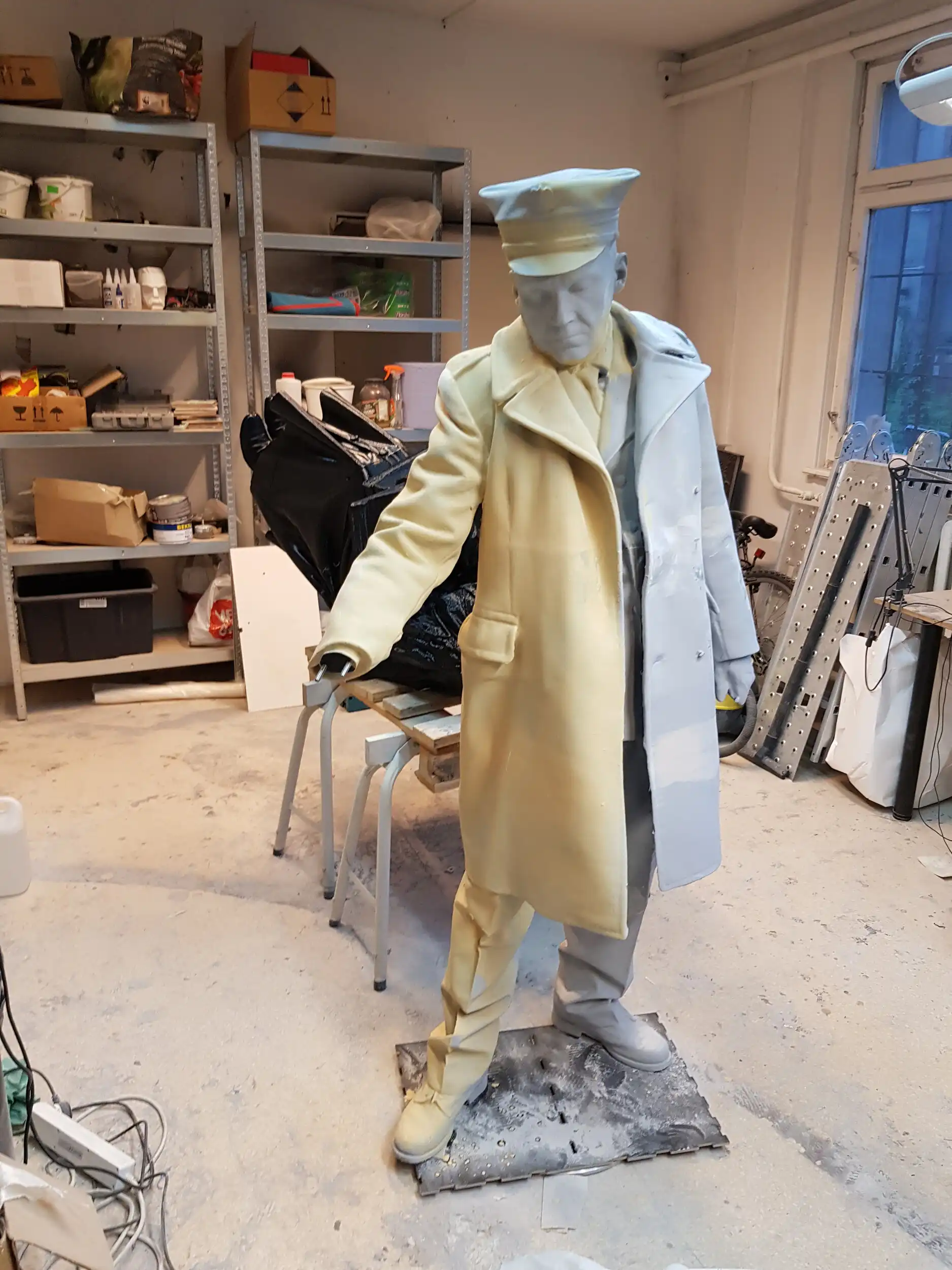
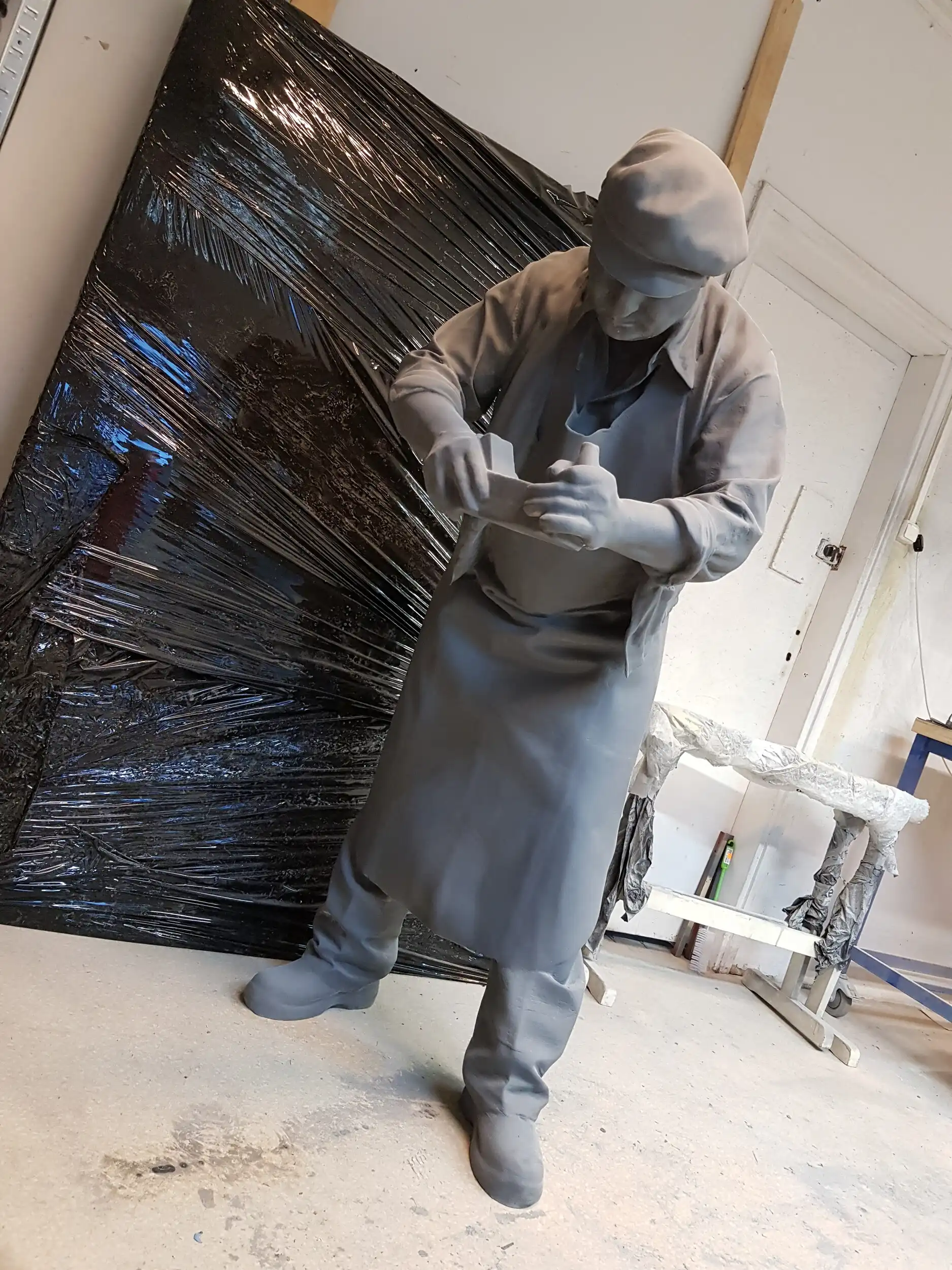
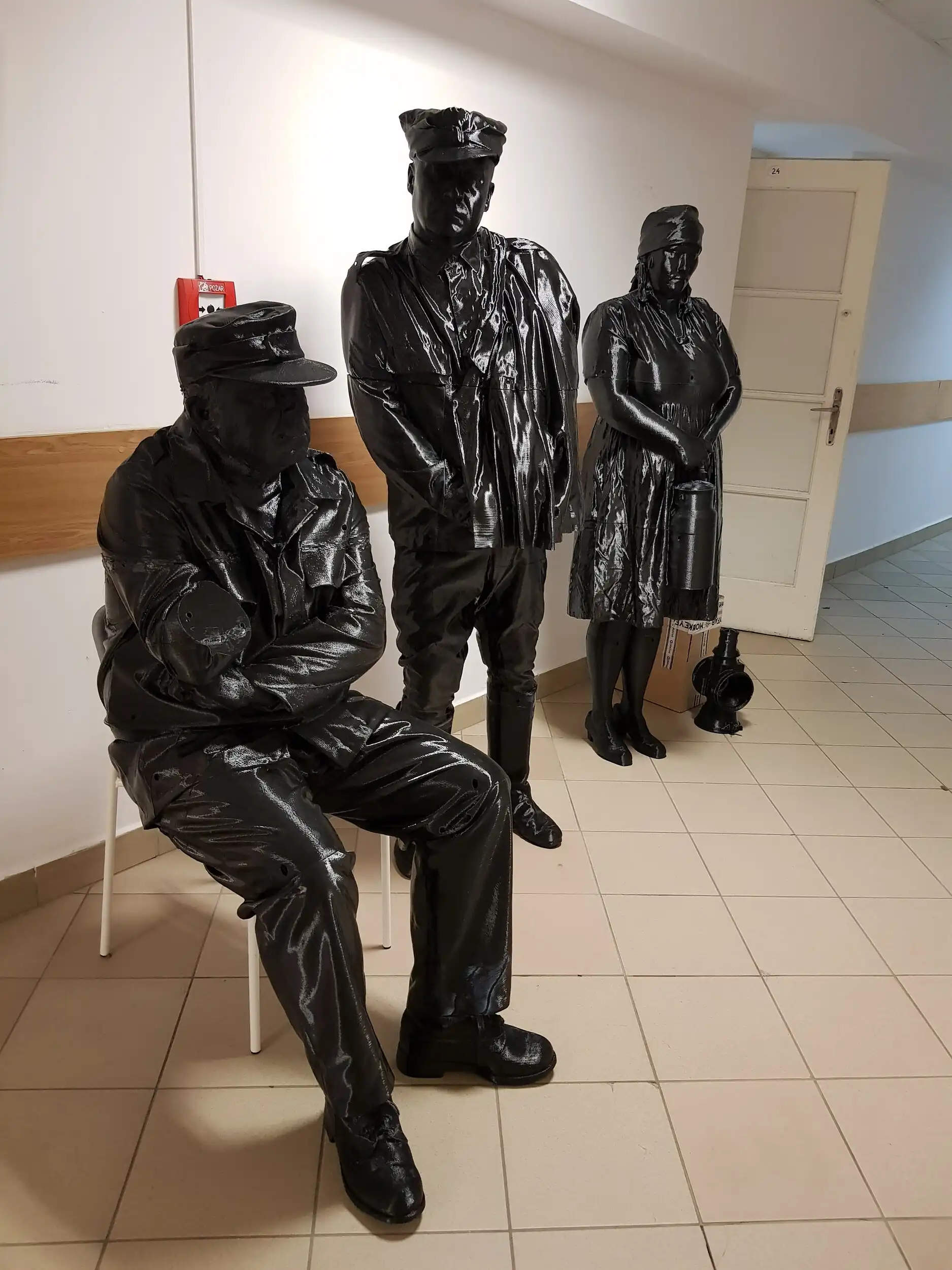
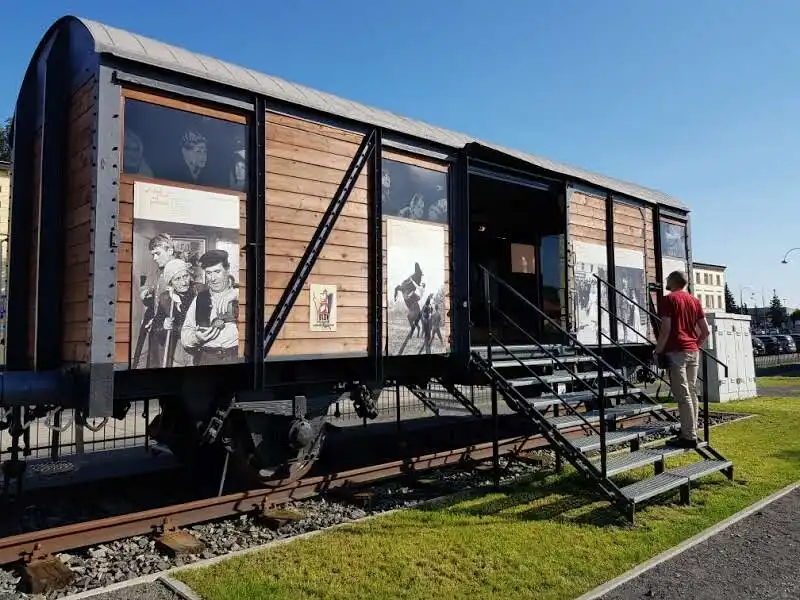
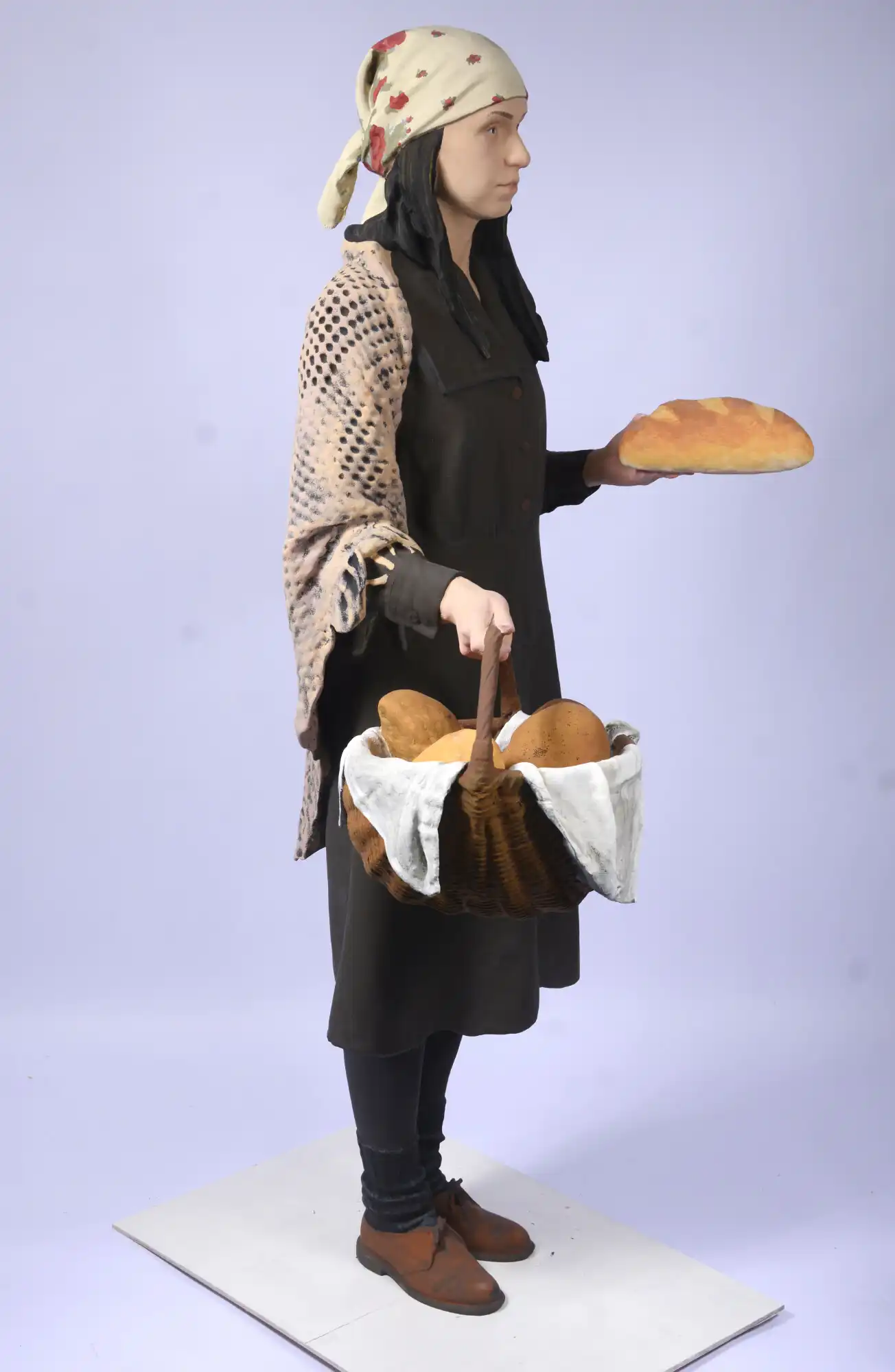
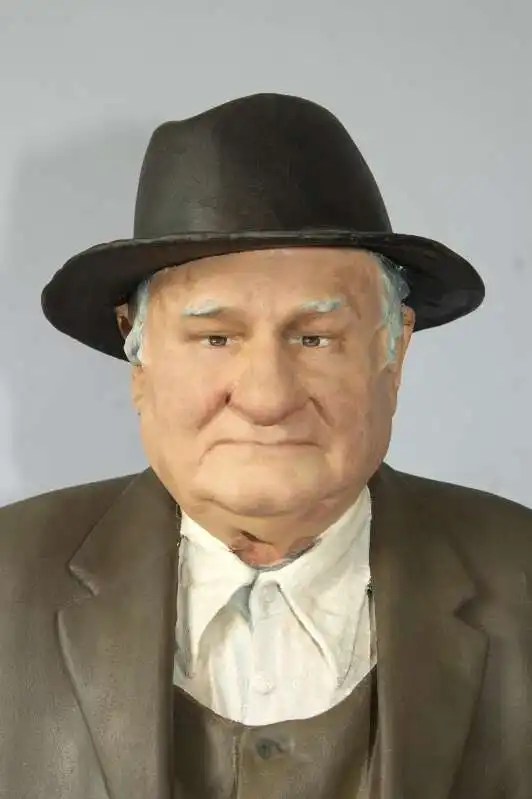
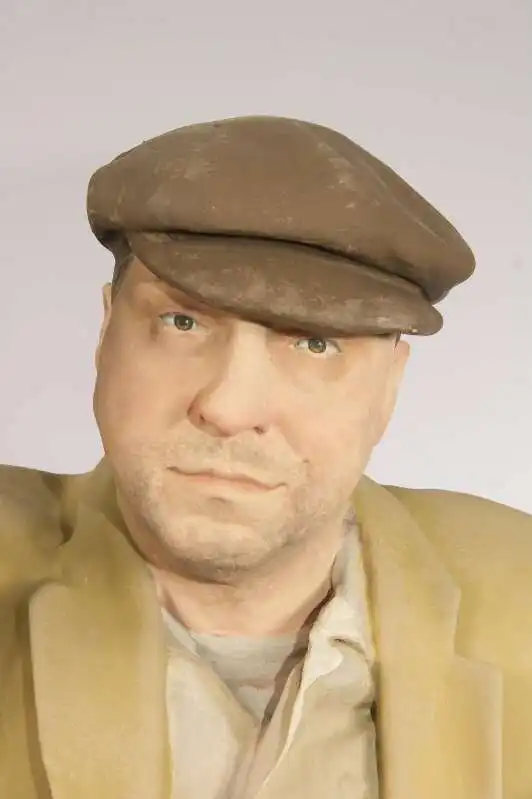
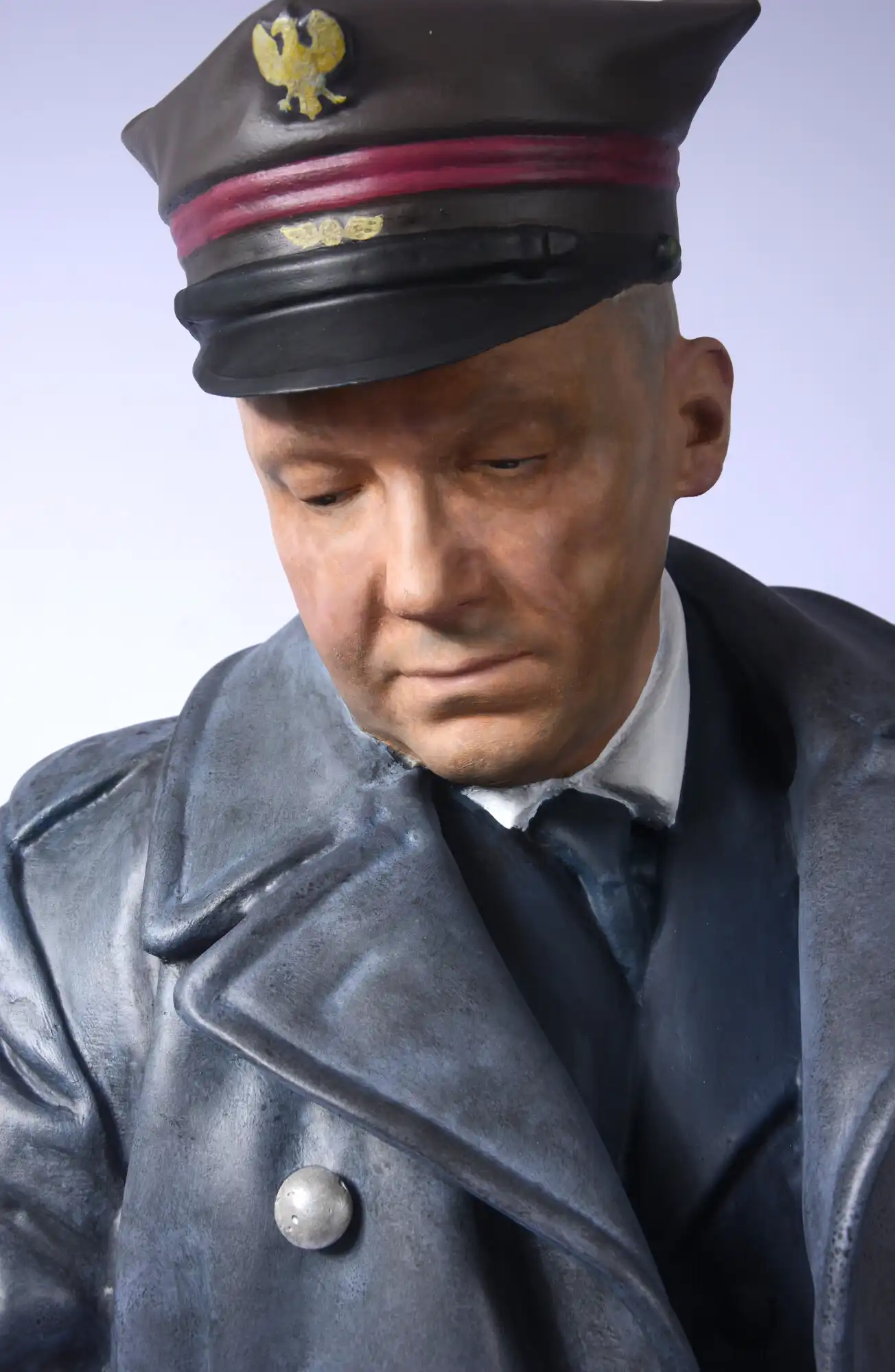
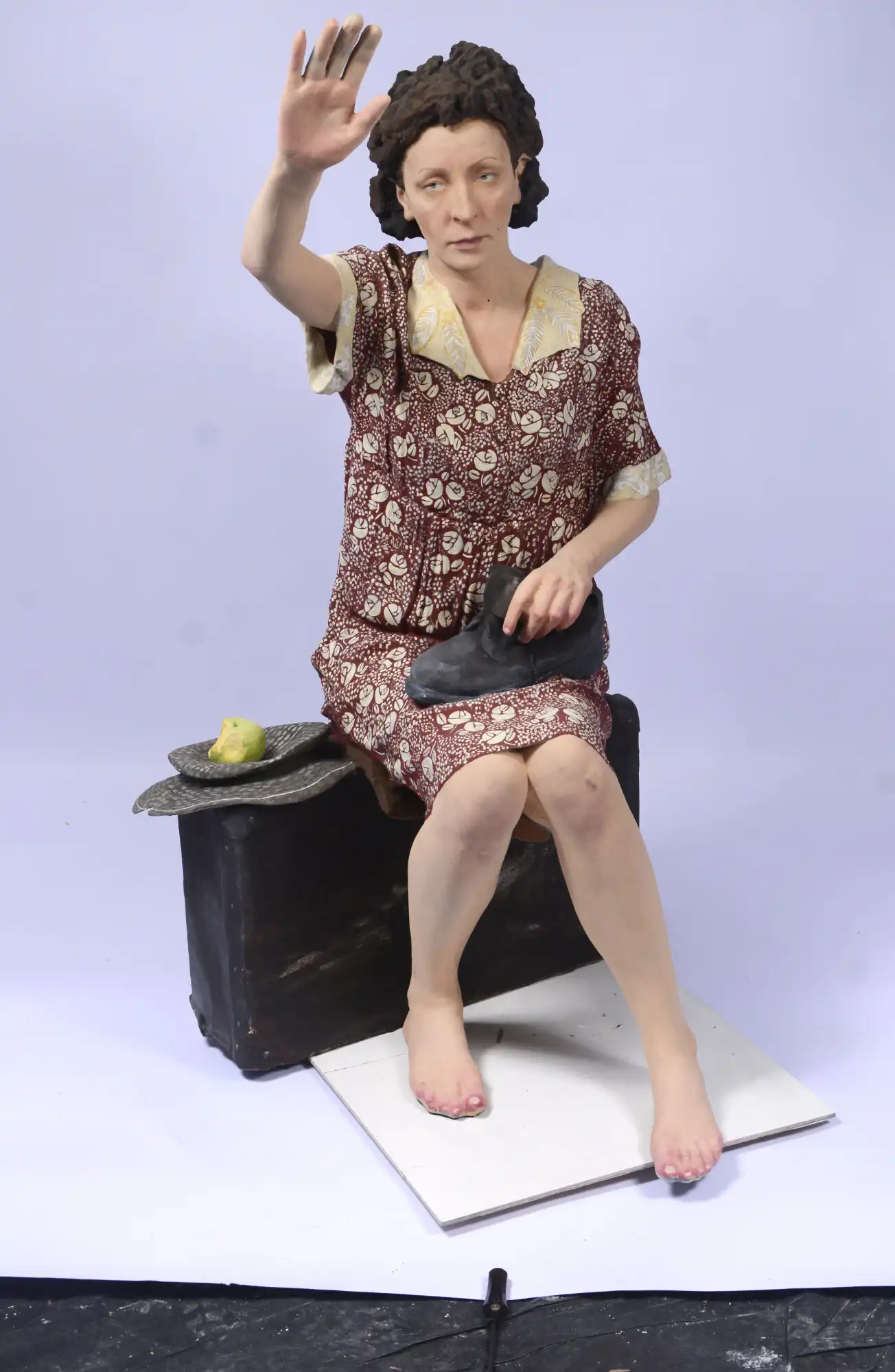
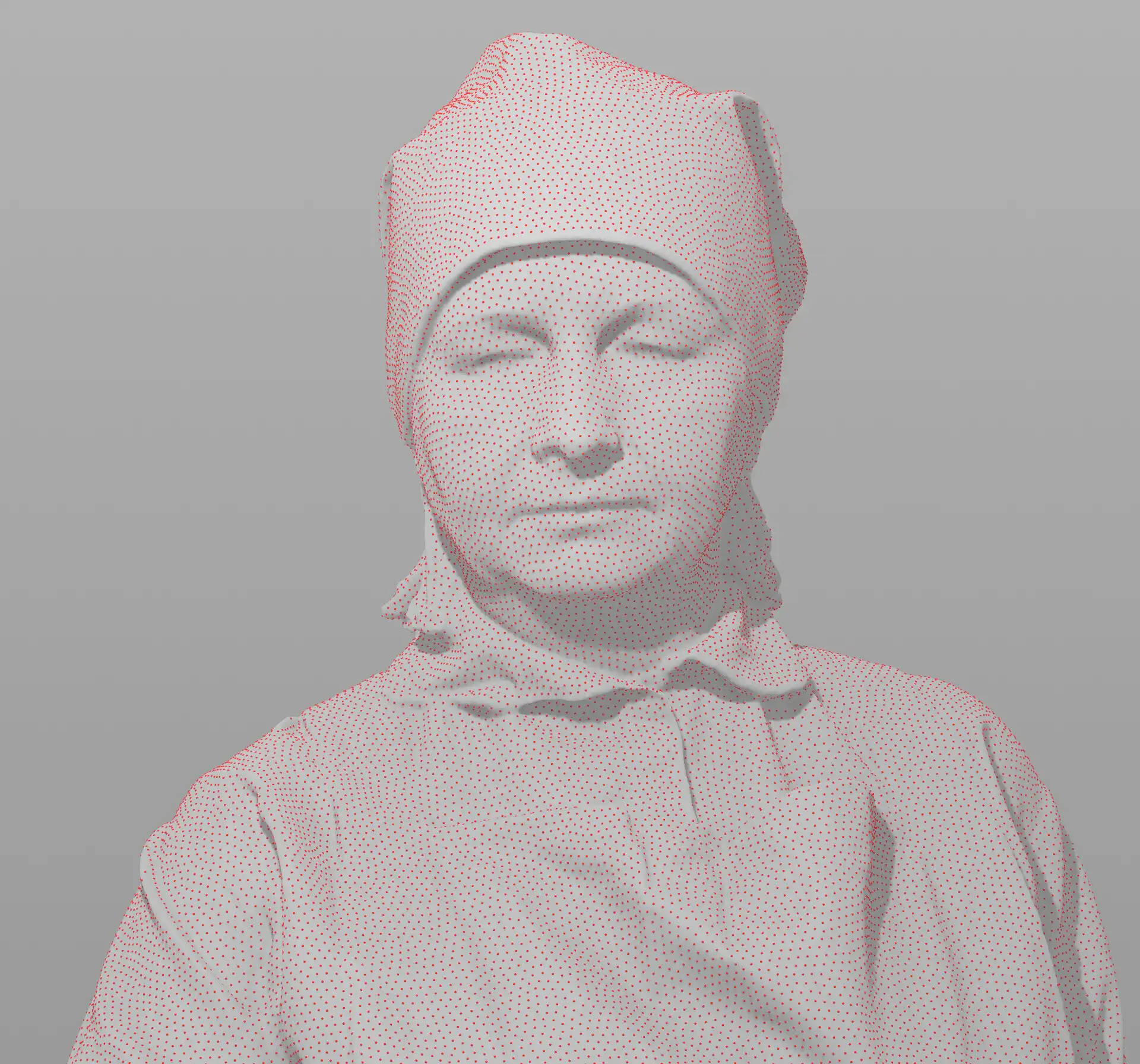
The realistic figures produced for the Historical Museum in Lubin were created as part of an exhibition devoted to the fate of Poles resettled after World War II from the Eastern Borderlands. The project combined large-format 3D printing with manual artistic finishing to create figures that support both the historical narrative and the exhibition space itself.
Historical background
After World War II, around 1.5 million Poles were resettled from the Eastern Borderlands to post-war Poland. Many of them settled in Lower Silesia, including Lubin. They brought with them not only their belongings, but also the memory of forced travel, the loss of home, and the need to start life again. That story remains an important part of the region’s identity.
Exhibition concept
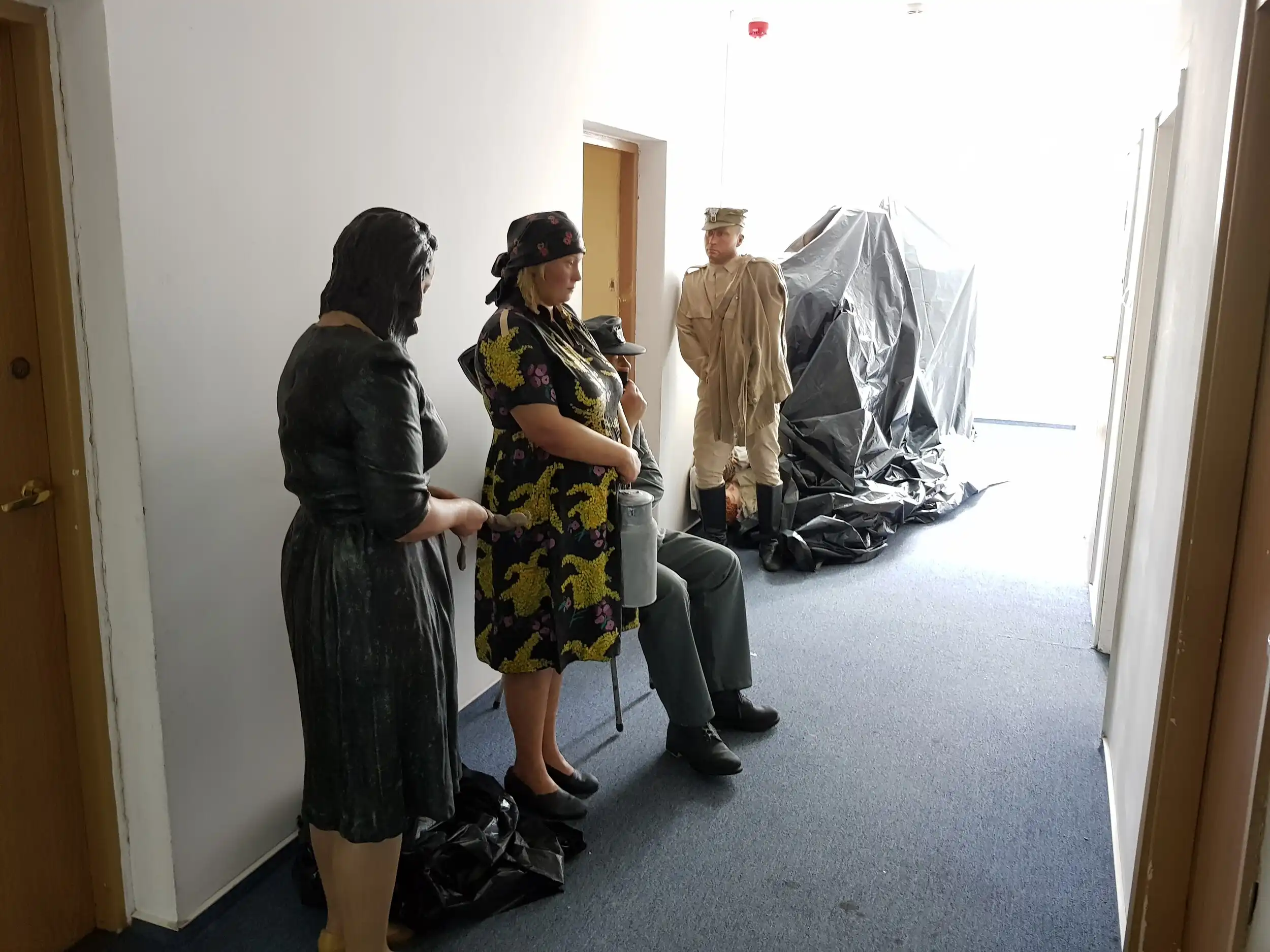
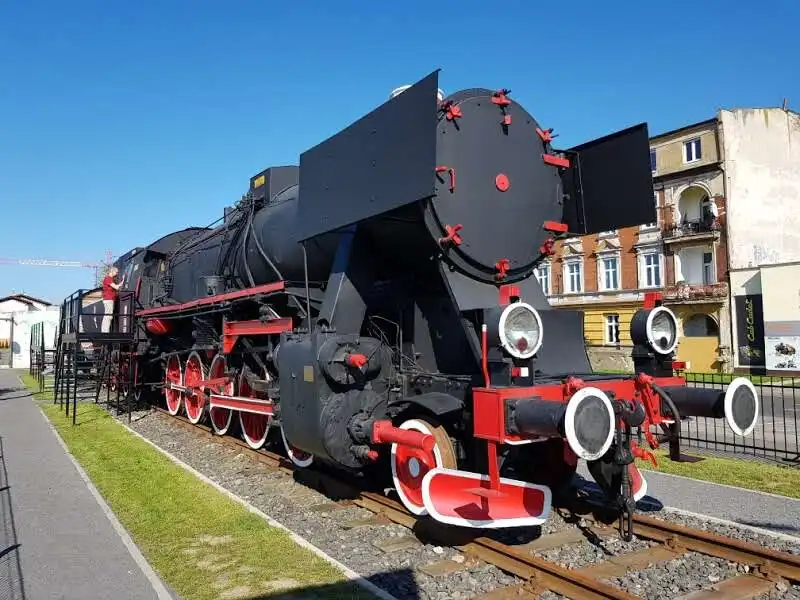
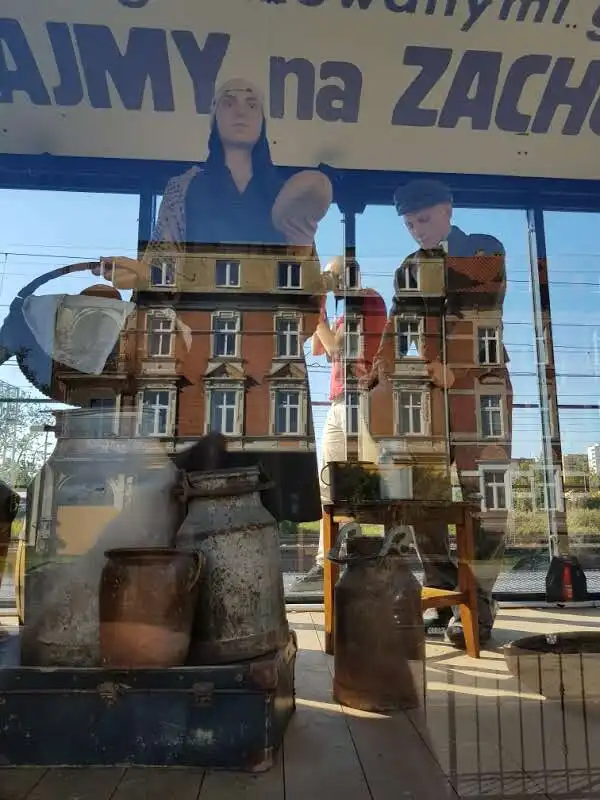
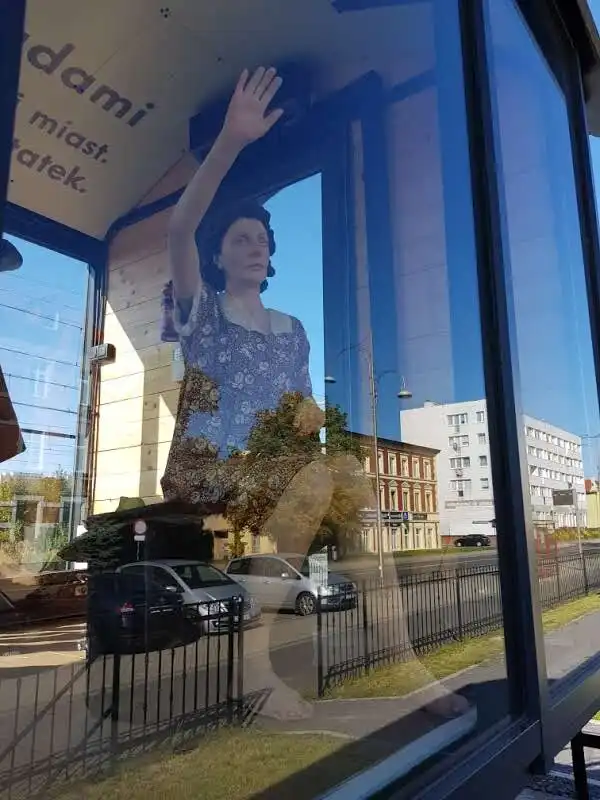
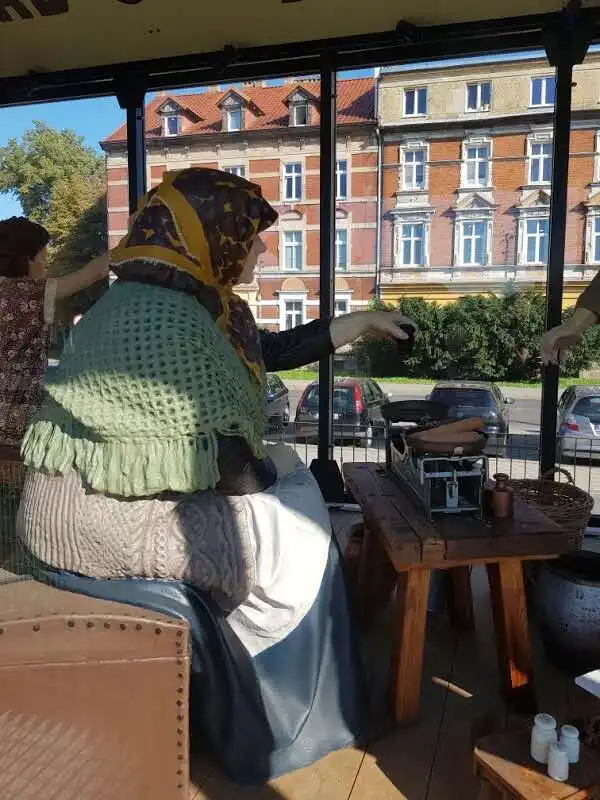
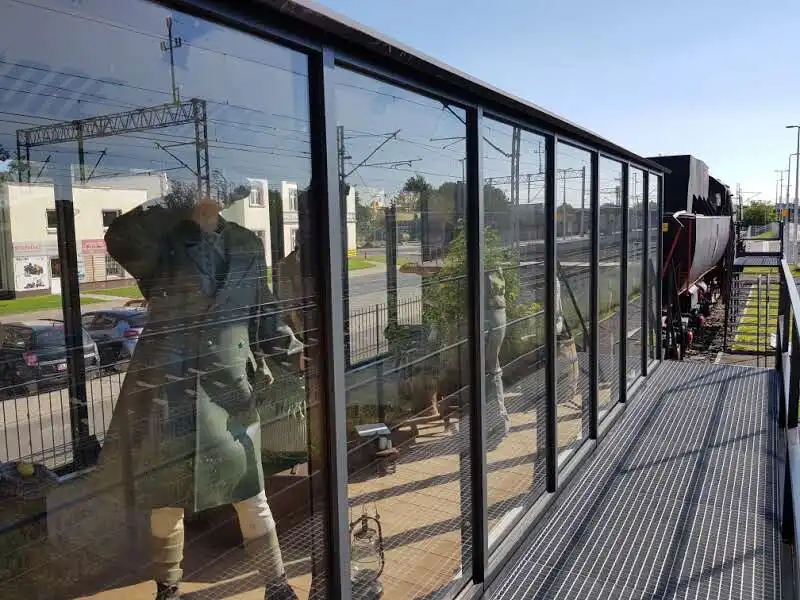
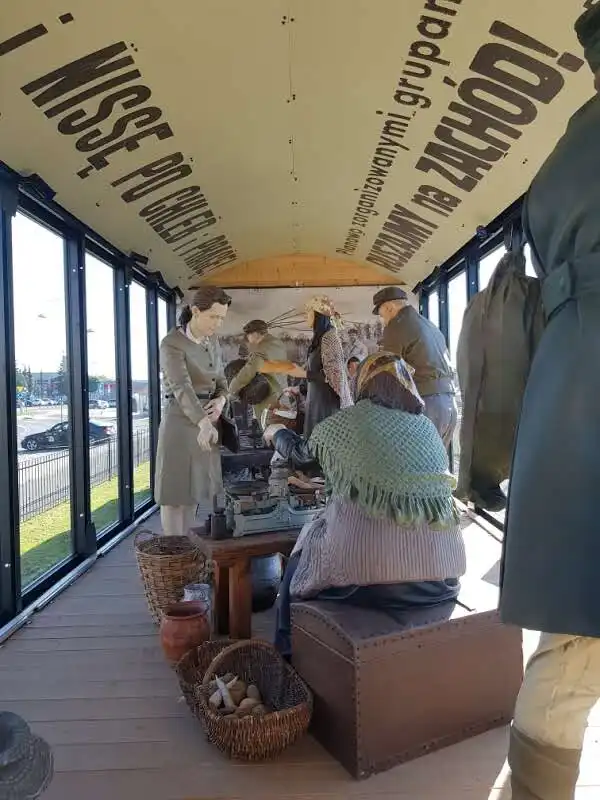
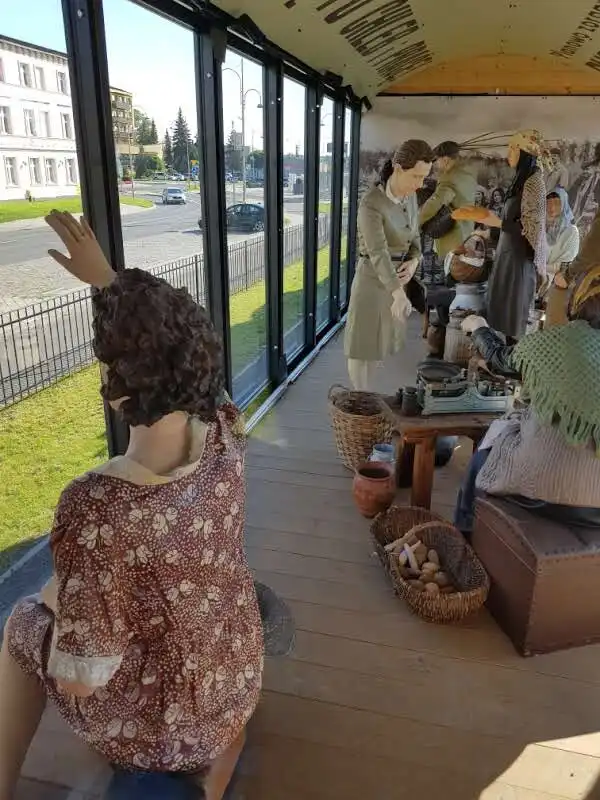
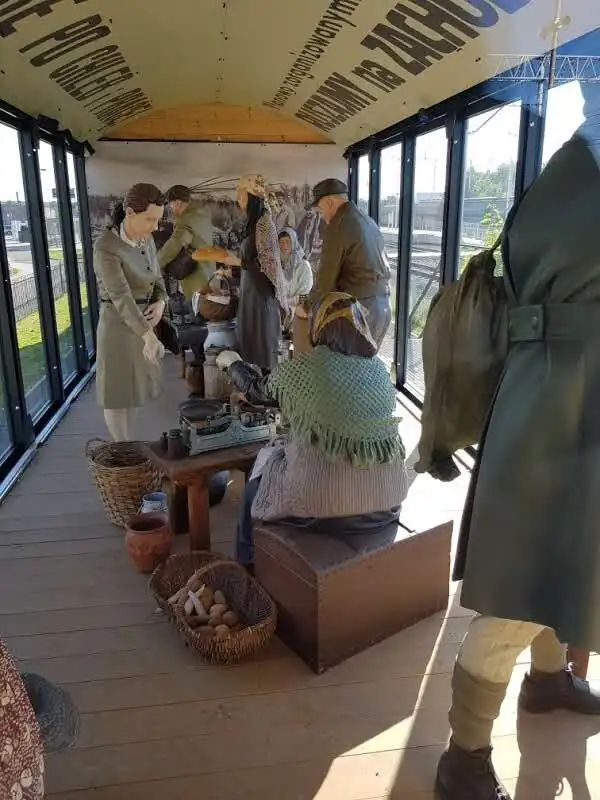
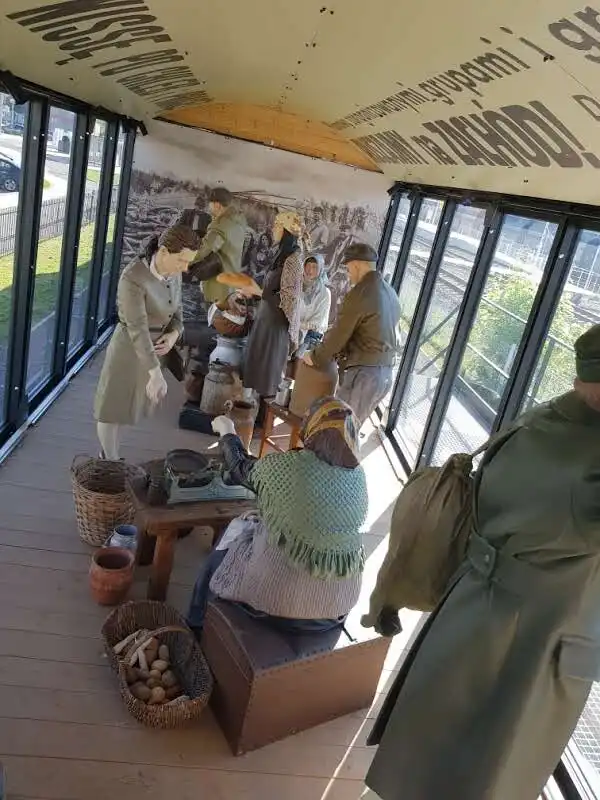
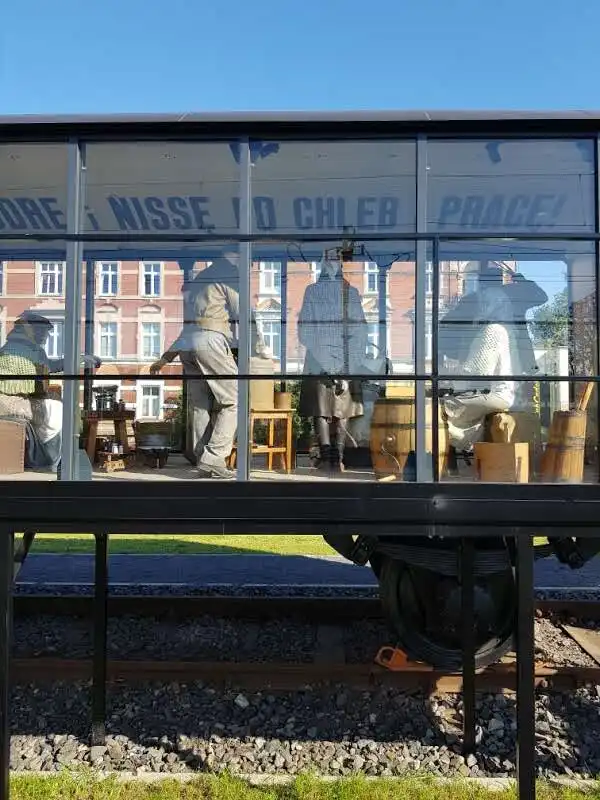
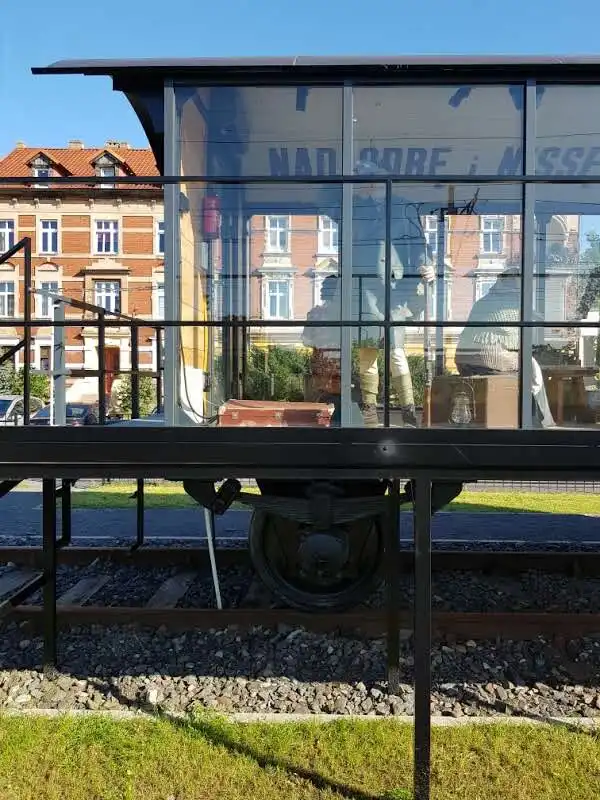
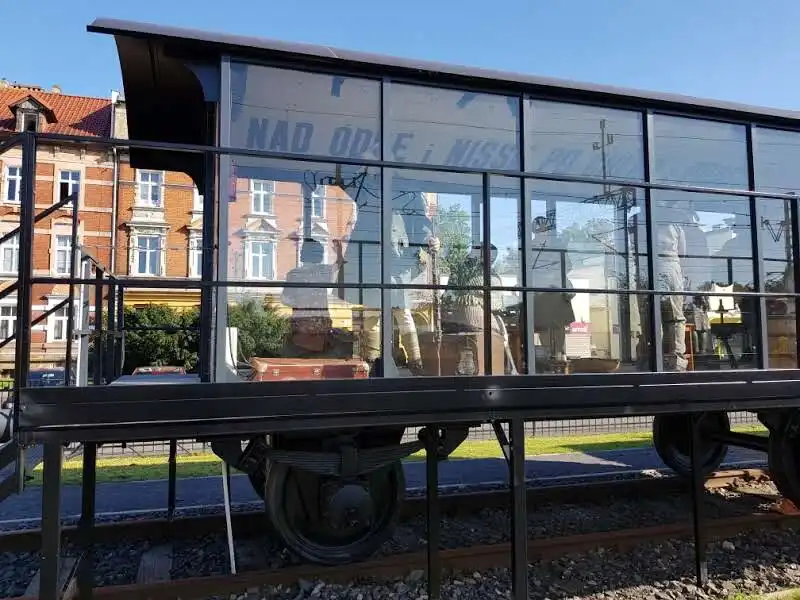
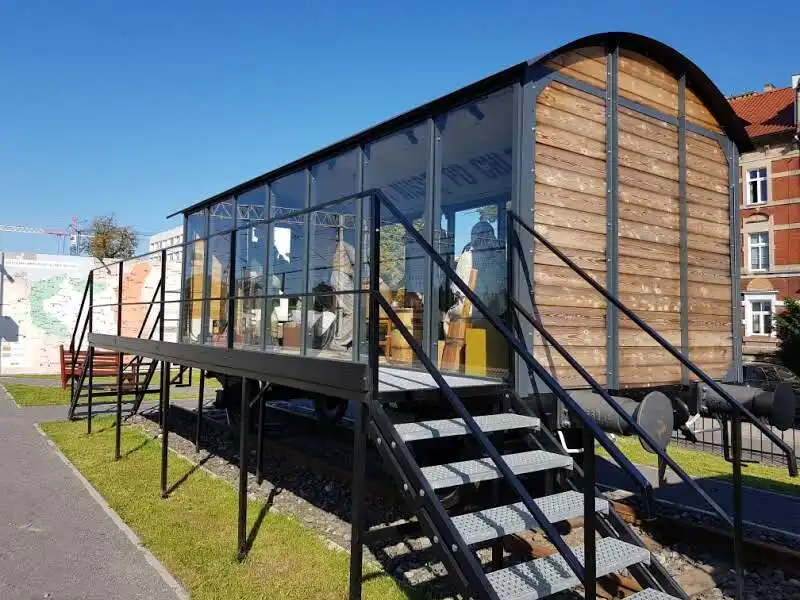
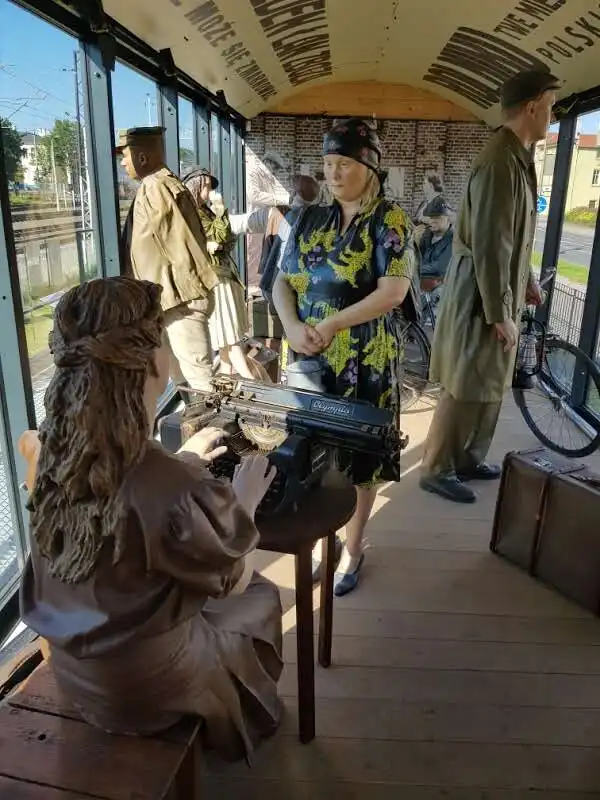
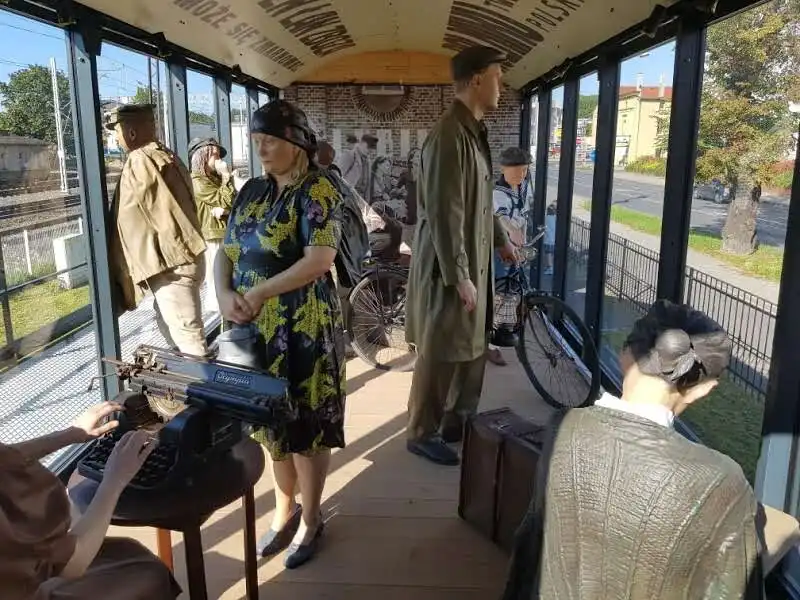
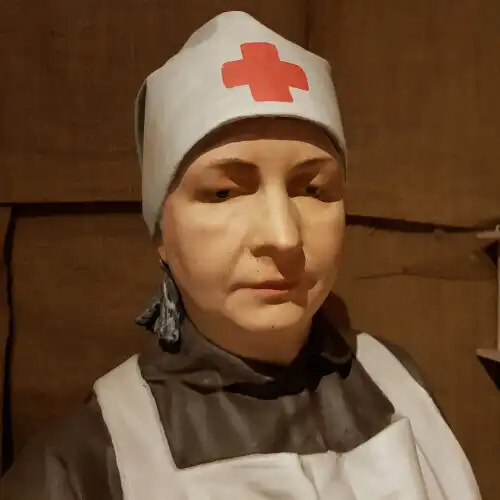
To commemorate those events, the museum created an exhibition built around realistic figures of resettled families shown during travel and everyday activities. The figures were placed, among other settings, inside railway carriages and in a wooded park area — symbolic locations connected with the journey, arrival, and a new beginning.
Nature of the project
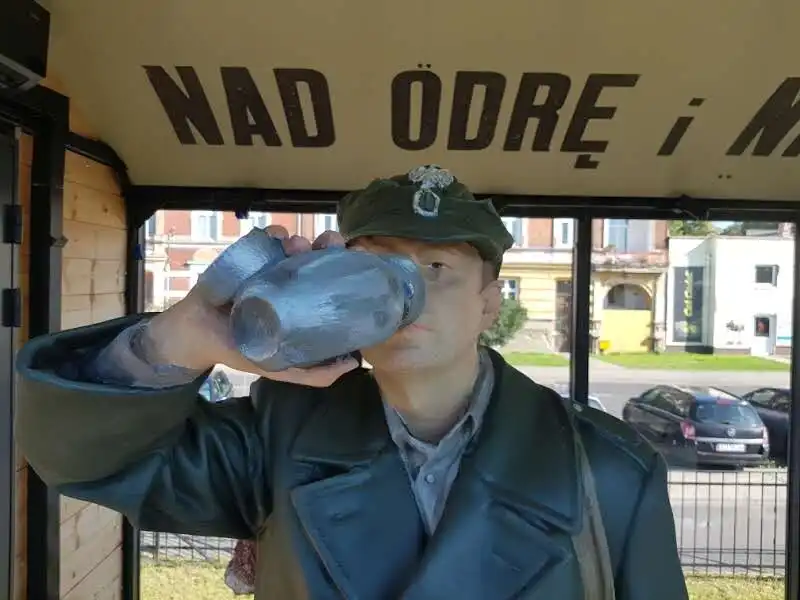
Our role was to produce printed and painted figures intended for long-term exhibition use. In this kind of project, the important factor is not only the form of the figure itself, but also its visual credibility, correct scale, and a finish that allows visitors to read it as part of a historical story rather than as a purely technical object.
Painterly finishing
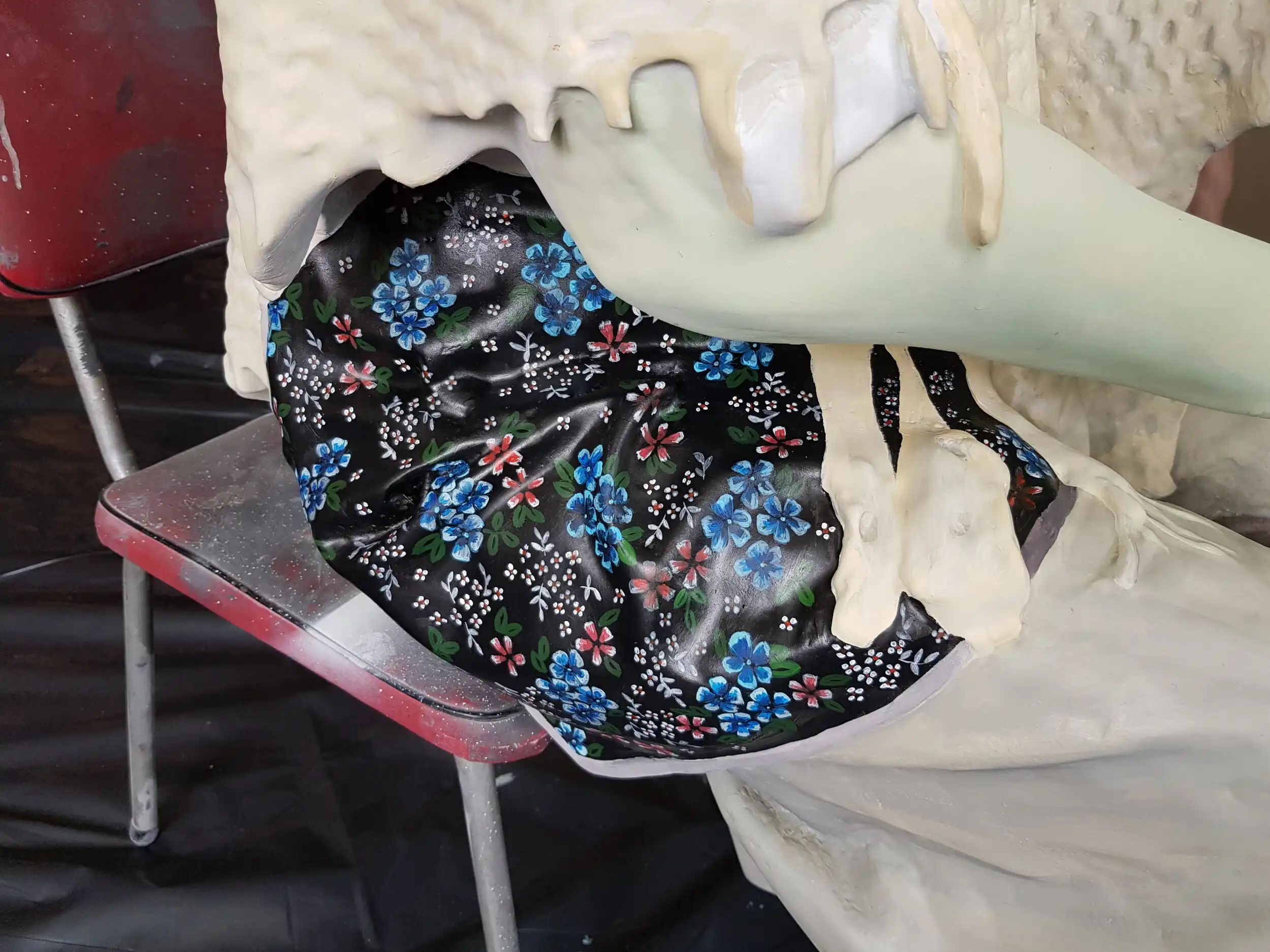
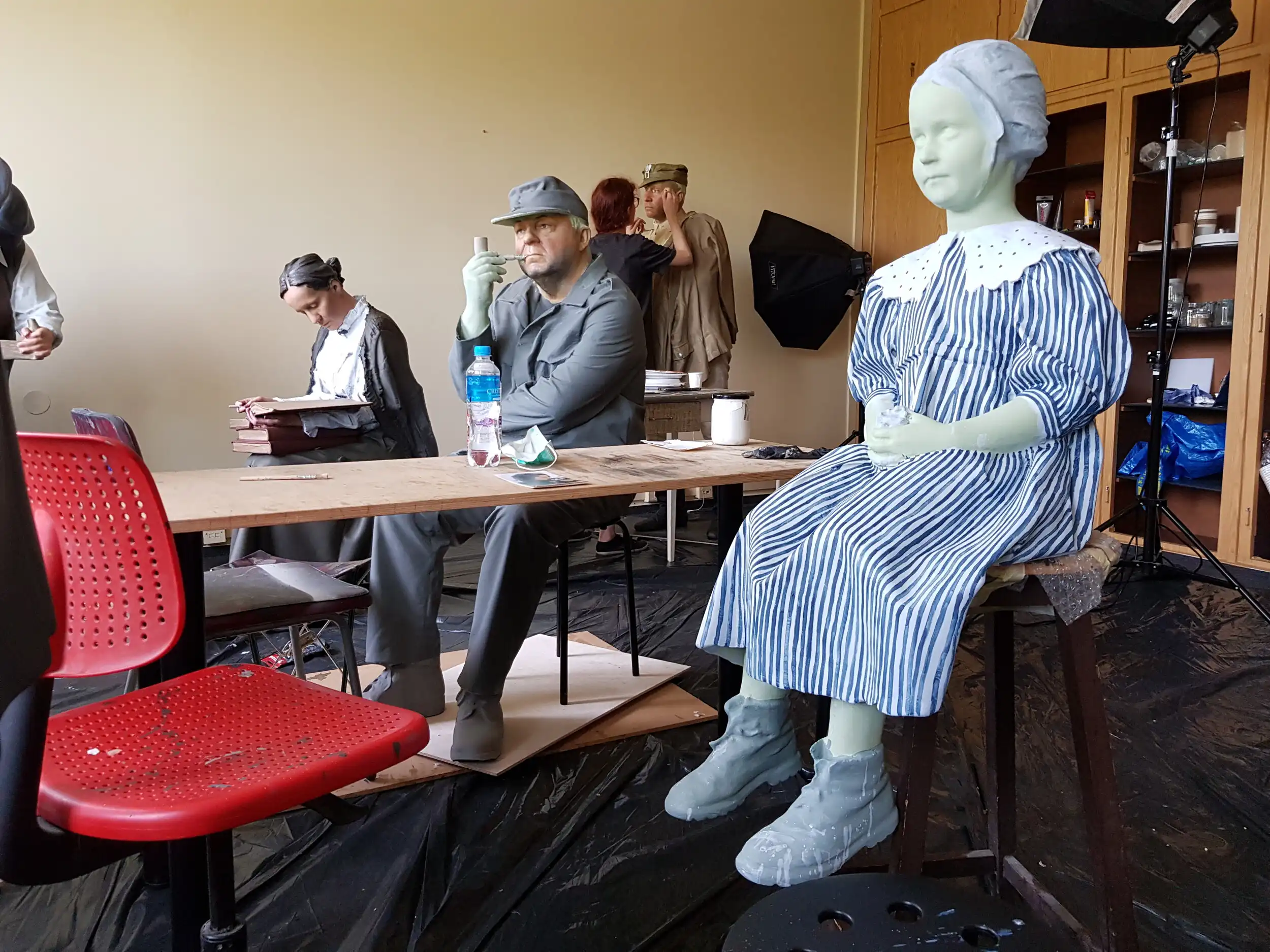
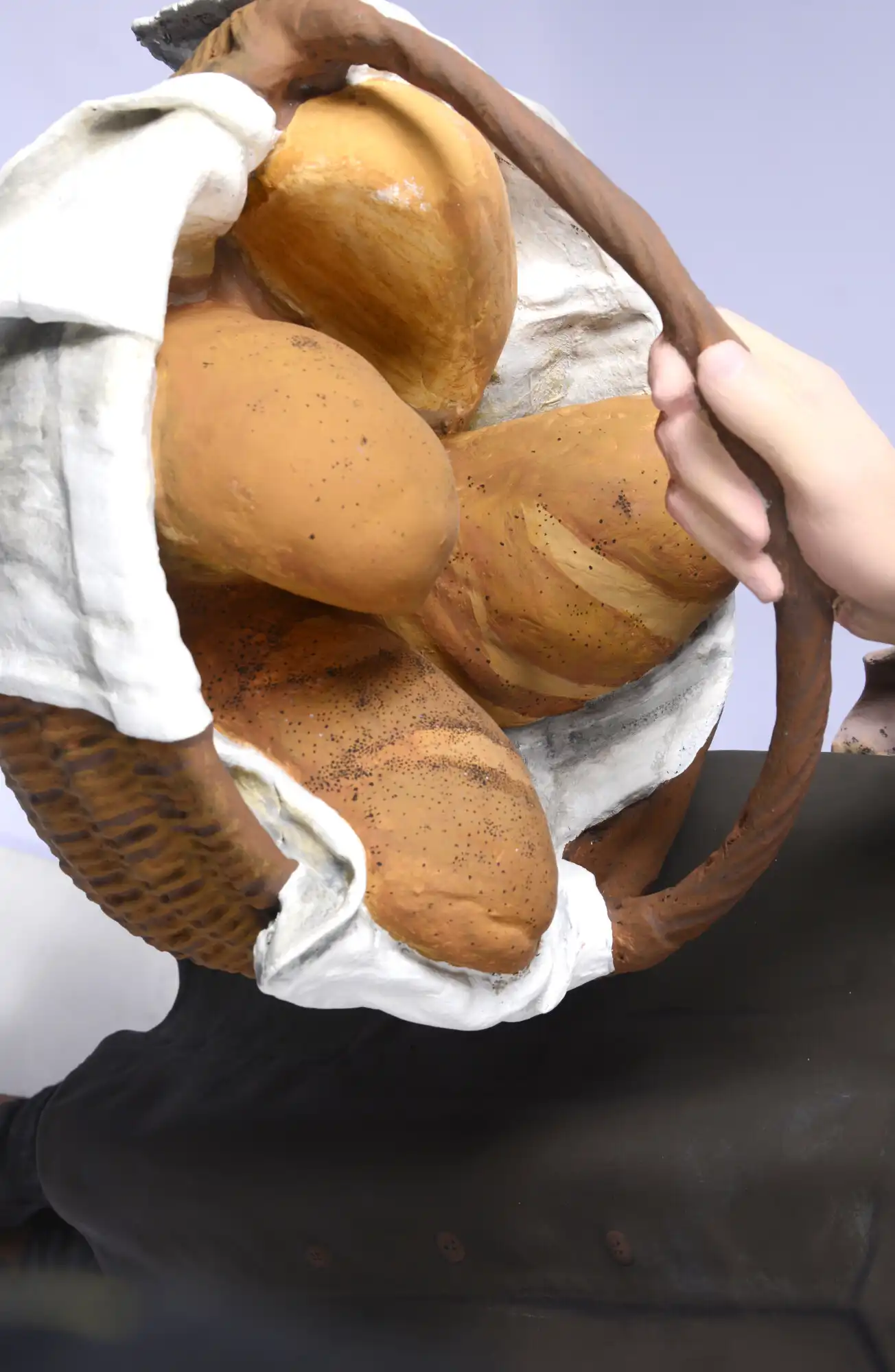
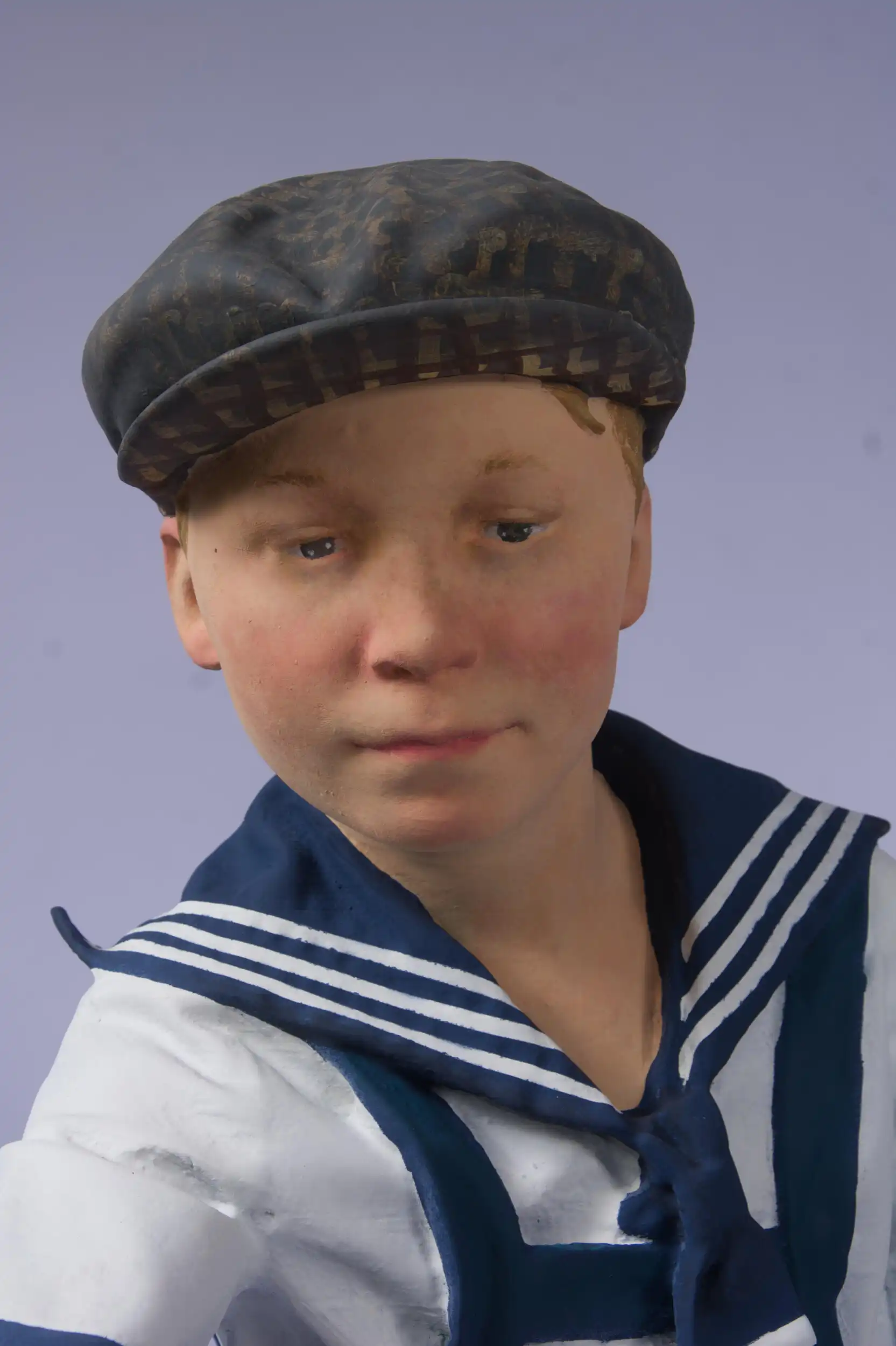
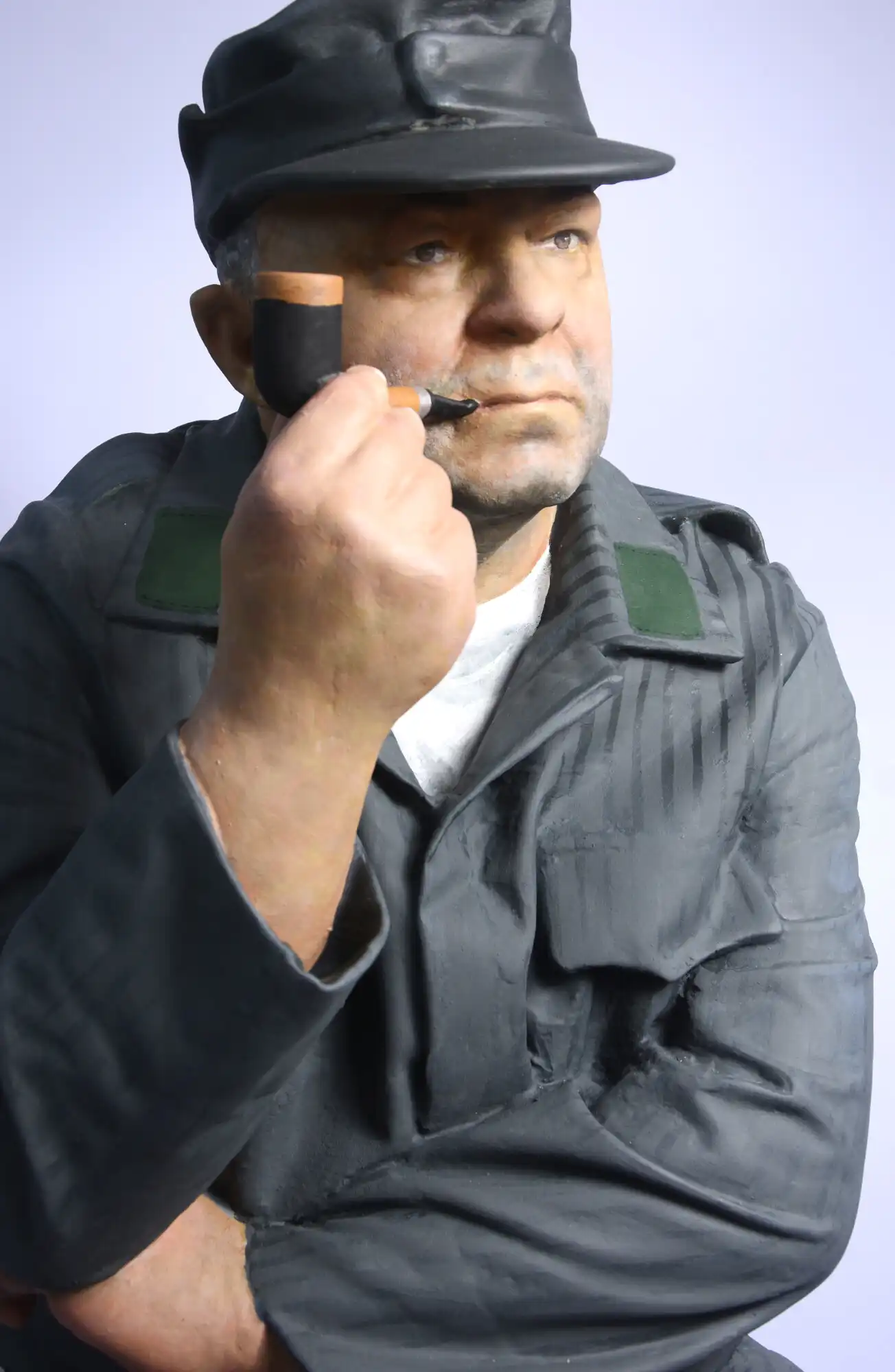
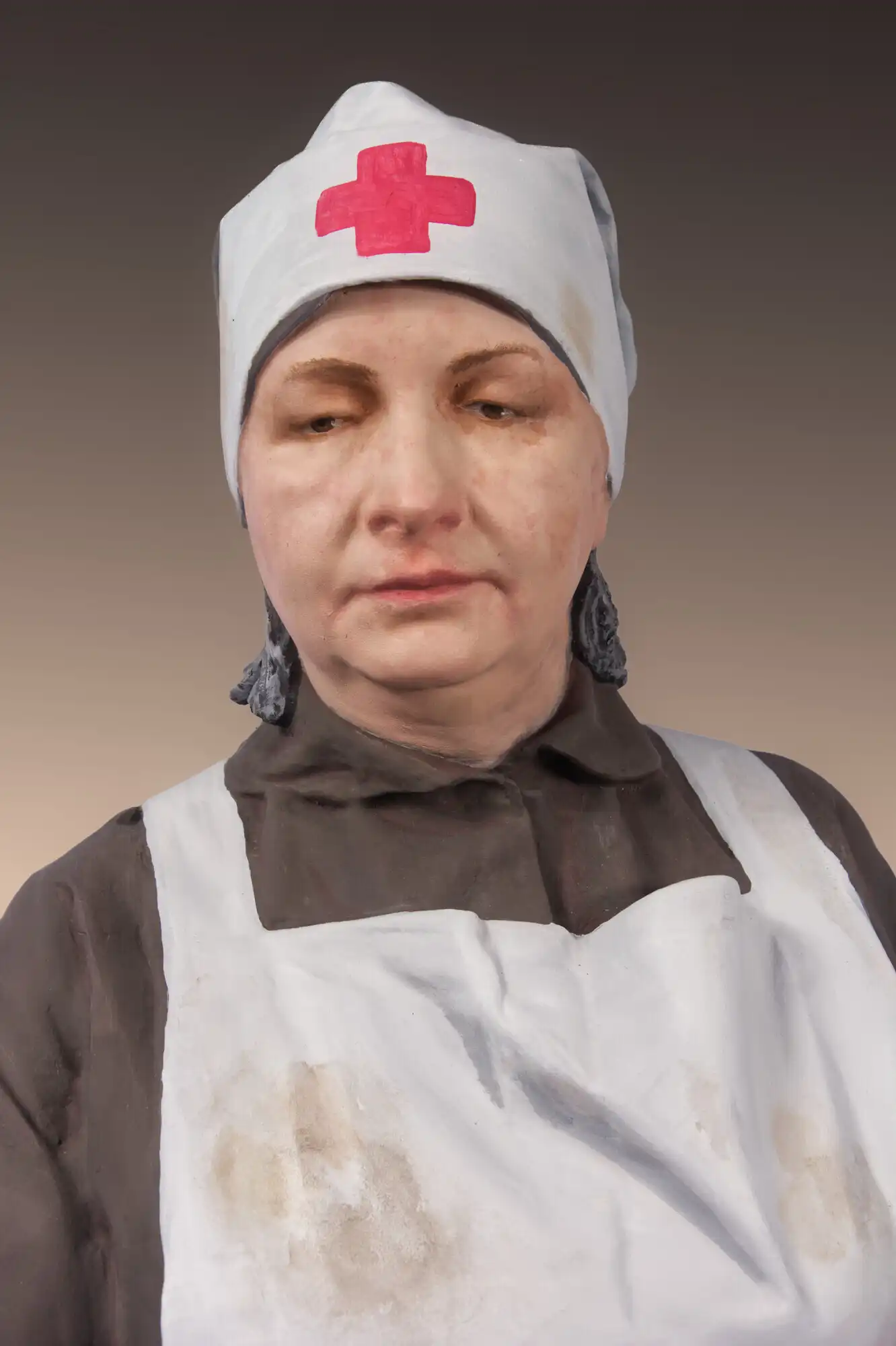
The finishing of the figures was carried out by professional artists working within their own specializations. Some focused on ornamental details and fabric patterns, while others handled skin tones and subtle facial work — one of the most demanding parts of this type of project because of delicate color transitions and surface variation.
Chosen visual language
When working on the figures, we deliberately avoided the effect of waxwork characters or plastic replicas, where excessive pursuit of literal realism often produces an unnatural result. Instead, we chose a more painterly and artistic direction — visible brush marks and paint texture were intentionally preserved on the surfaces, giving the objects their own presence and helping them function more convincingly within the exhibition.
Why the project matters
These installations do not serve as simple decoration. They help tell the story of specific people and experiences, making the history of post-war resettlement more direct and understandable for visitors. It is an example of how contemporary production technology can support cultural memory and communicate events that still matter to local and collective identity.